
Because a great guest experience doesn't stop at the bathroom door.
Let's talk about bathrooms. Specifically, bathrooms for your guests.
We know bathrooms aren't necessarily the most exciting spaces to spend your design budget on. But whether you own a retail store, restaurant, or hotel, they're one of those spaces that can either add to a great guest experience or quickly ruin it.
We've become a little bit of bathroom snobs. Whenever we're traveling, shopping, or staying somewhere, we can't help but notice the bathrooms. And not just whether they're pretty. We're paying attention to how they function, how they feel, and all the little details that make them enjoyable (or frustrating) to use.
Because the truth is, good design isn't just about how a space looks. It's about how people experience it.
So, we've put together 10 things we think every business should consider when designing a guest bathroom.
1. Cleanliness Comes First
A few months ago, I was working on a convenience store project and came across something interesting while doing research. When people were asked what they looked for in a good place to stop, one of the biggest factors was whether the bathrooms were clean.
Now, I know what you're thinking. What does cleanliness have to do with design?
Everything, actually.
You can have the most beautifully designed bathroom, but if it's dirty, no one is going to appreciate the gorgeous tile or expensive fixtures.
I was recently shopping at the cutest baby boutique and went to change my baby's diaper. Unfortunately, the bathroom wasn't clean, and instead of enjoying the space, all I wanted to do was leave and find somewhere else to change her.
When designing a bathroom, think about how easy it will be to maintain. Choose materials that are easy to clean, avoid unnecessary nooks and crannies where dirt can collect, and make sure the layout allows staff to clean the space efficiently.
A beautiful bathroom is great. A beautiful and clean bathroom is even better.
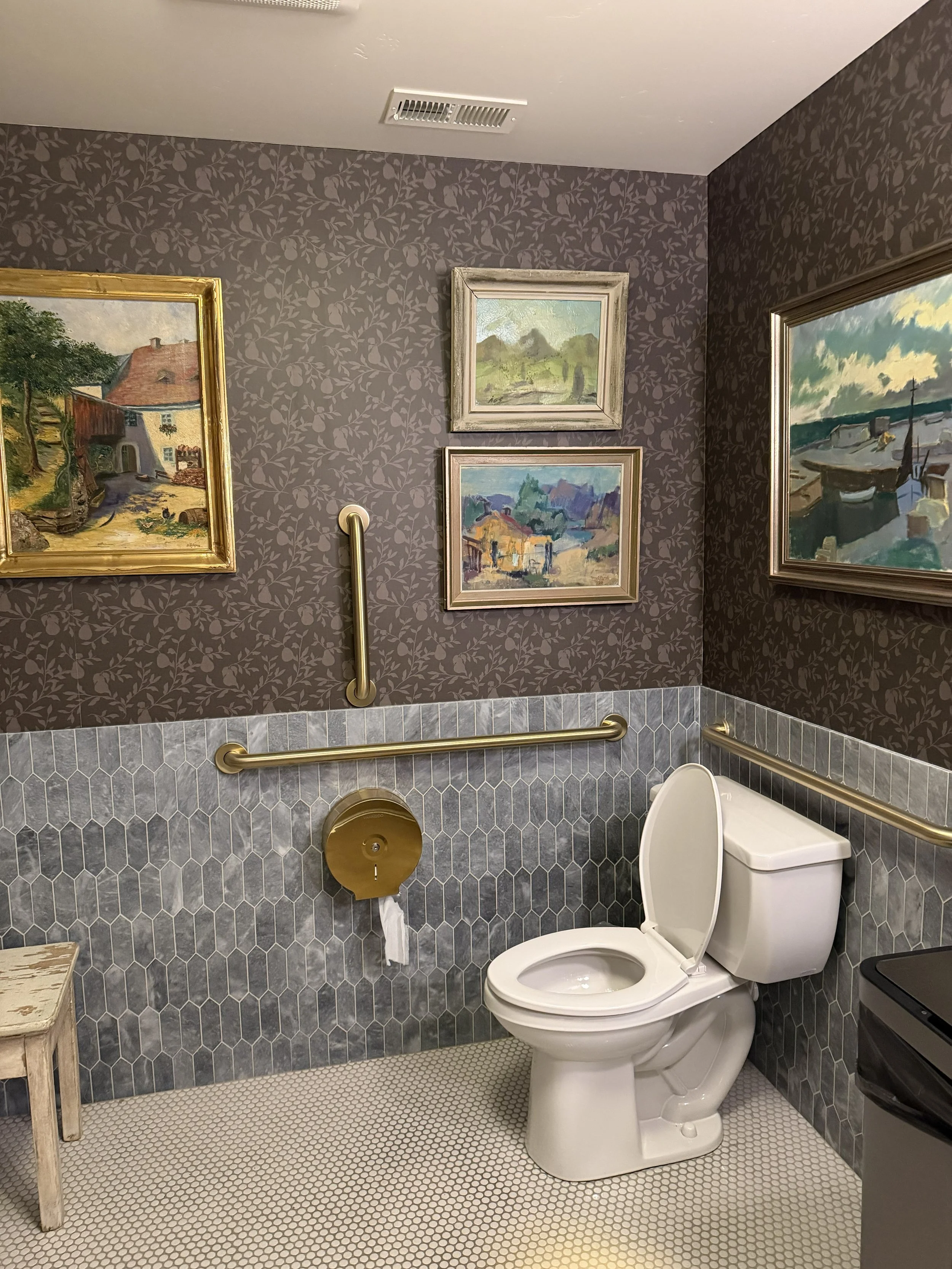
2. Give Your Bathroom Stalls Some Breathing Room
Is there anything more annoying than walking into a bathroom stall and having to awkwardly maneuver around the toilet just to close the door?
We've all been there.
We understand that dedicating more square footage to bathrooms isn't necessarily glamorous, especially when that space could be used for additional seating, merchandise, or guest rooms. But sometimes an extra six inches can make all the difference between a cramped, uncomfortable experience and one that feels thoughtfully designed.
Pay attention to the depth of your stalls, the direction the doors swing, and how easily someone can move around once they're inside.
And don't forget about guests who may be carrying shopping bags, traveling with children, or needing additional accessibility accommodations.
Those few extra inches can go a long way.
3. Choose Your Flooring Wisely
Bathrooms are high-traffic spaces, which means your flooring needs to work just as hard as it looks good.
When selecting flooring, durability, slip resistance, and ease of cleaning should be just as important as aesthetics.
And if you're using tile, don't forget about the grout!
We love a beautiful tile moment, but white grout in a high-traffic commercial bathroom can quickly become a maintenance nightmare. Choosing a darker or more forgiving grout color can help keep your floors looking better between cleanings.
It's also worth considering tile size, texture, and the number of grout lines. Sometimes a slightly different material selection can make a huge difference in long-term maintenance.
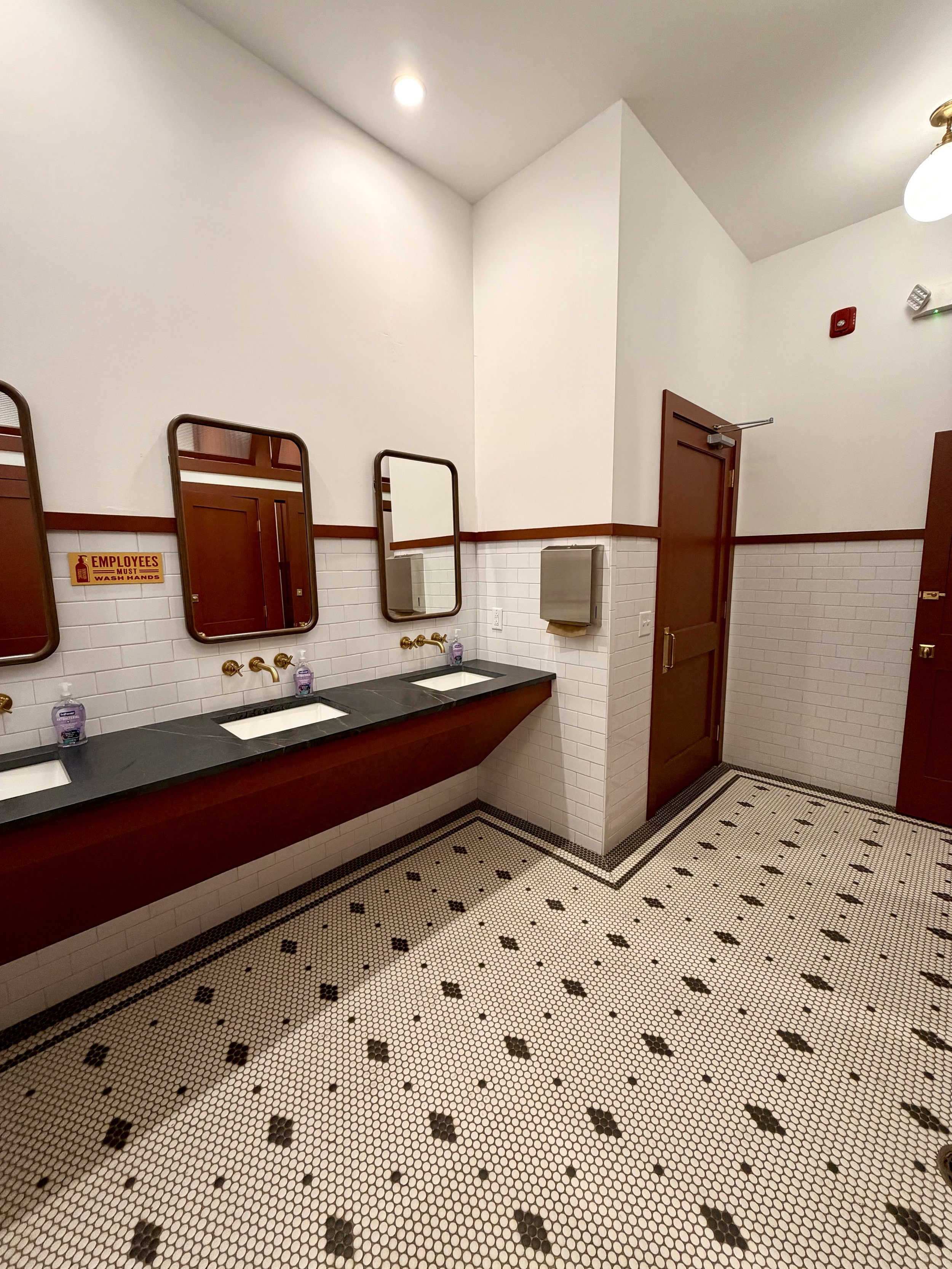
Wood Brothers General Store, Green Pond South Carolina
4. Think About the Location of Your Sinks
This might seem obvious, but the placement of your sinks can make or break the flow of a bathroom.
Think about what happens when multiple people are using the space at once. Are people waiting for a sink blocking the entrance? Can someone comfortably wash their hands while another person walks behind them? Is there enough counter space to set down a purse or personal belongings?
We also love when bathrooms provide enough room around the sinks so guests aren't constantly bumping elbows with strangers.
A little extra consideration during the layout phase can prevent a lot of awkward maneuvering later.
5. Don't Make Guests Hunt for Soap
This is one of our biggest bathroom pet peeves.
You walk up to a sink, turn on the water, and realize the only soap dispenser is three sinks down. Now you have to awkwardly reach around someone else to get soap before returning to your sink.
Why?
If you have multiple sinks, consider having multiple soap dispensers. Ideally, guests should be able to access soap without leaving their sink or reaching across another person.
It's such a small detail, but it makes the entire experience feel more intuitive.
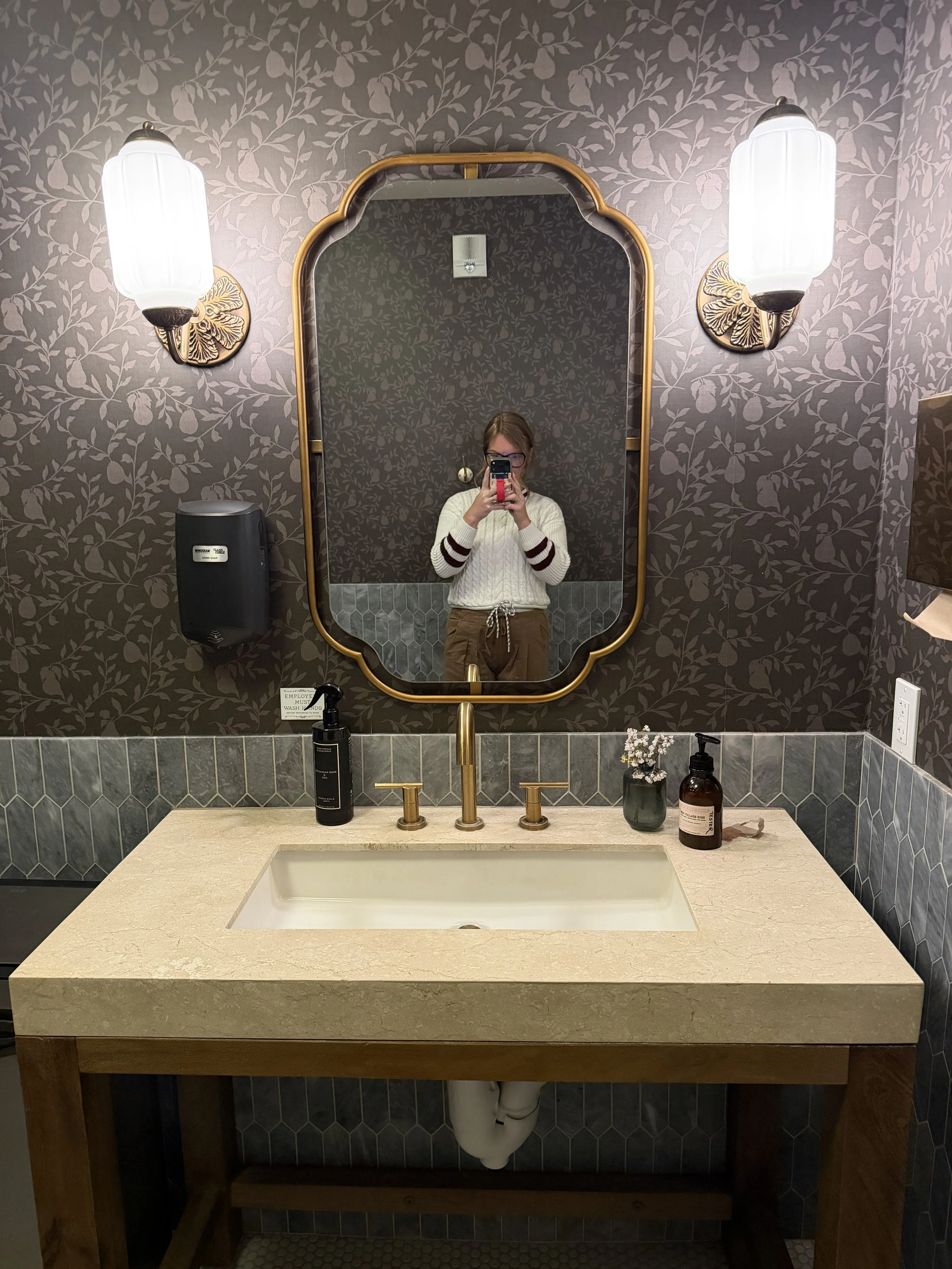
6. Keep Paper Towels Close to the Sinks
Along those same lines, let's talk about paper towel dispensers.
No one should have to walk across the bathroom with dripping wet hands to find a paper towel.
Not only is it inconvenient for guests, but it also creates unnecessary water on the floors and countertops, making the bathroom harder to keep clean.
Think about where guests will naturally reach after washing their hands. Whether you're using paper towels or hand dryers, they should be conveniently located without interrupting the flow of people entering or leaving the bathroom.
7. Make the Trash Can Easy to Find
This goes hand in hand with paper towel placement.
Once guests have dried their hands, where are they supposed to put their paper towels?
Ideally, the trash can should be close enough to the drying area that guests don't have to walk across the bathroom or awkwardly reach around someone else to throw something away.
We also love built-in trash receptacles when the design and budget allow. They help keep the space looking clean and intentional while reducing clutter.
And please, make sure your trash cans are large enough for the amount of traffic your bathroom receives. Nothing ruins a beautiful bathroom faster than an overflowing trash can.
8. Lighting Makes a Difference
Lighting is one of the easiest ways to elevate a bathroom, and it's something we think deserves more attention.
We've all been in bathrooms with harsh overhead lighting that makes everything feel cold and uninviting. On the other hand, bathrooms that are too dim can feel uncomfortable or make it difficult to get ready.
One thing we always pay attention to is the color temperature of the lighting. Lighting that's too cool can make a bathroom feel sterile and institutional, while lighting that's too warm can make it difficult to see colors accurately, especially when applying makeup.
We typically prefer warm to neutral lighting (around 2700K–3000K for ambient lighting), with good color rendering so skin tones and colors look natural. In hotel bathrooms, we also love incorporating flattering lighting around the mirrors rather than relying solely on overhead fixtures. For vanity lighting, a slightly more neutral temperature (around 3000K–3500K) with a high color rendering index (CRI of 90 or higher) can be especially helpful.
The goal is to create a space that feels welcoming while still providing enough light for guests to comfortably use the bathroom.
And if your restaurant, hotel, or retail space has a distinct design aesthetic, the bathroom lighting is another opportunity to carry that experience through.
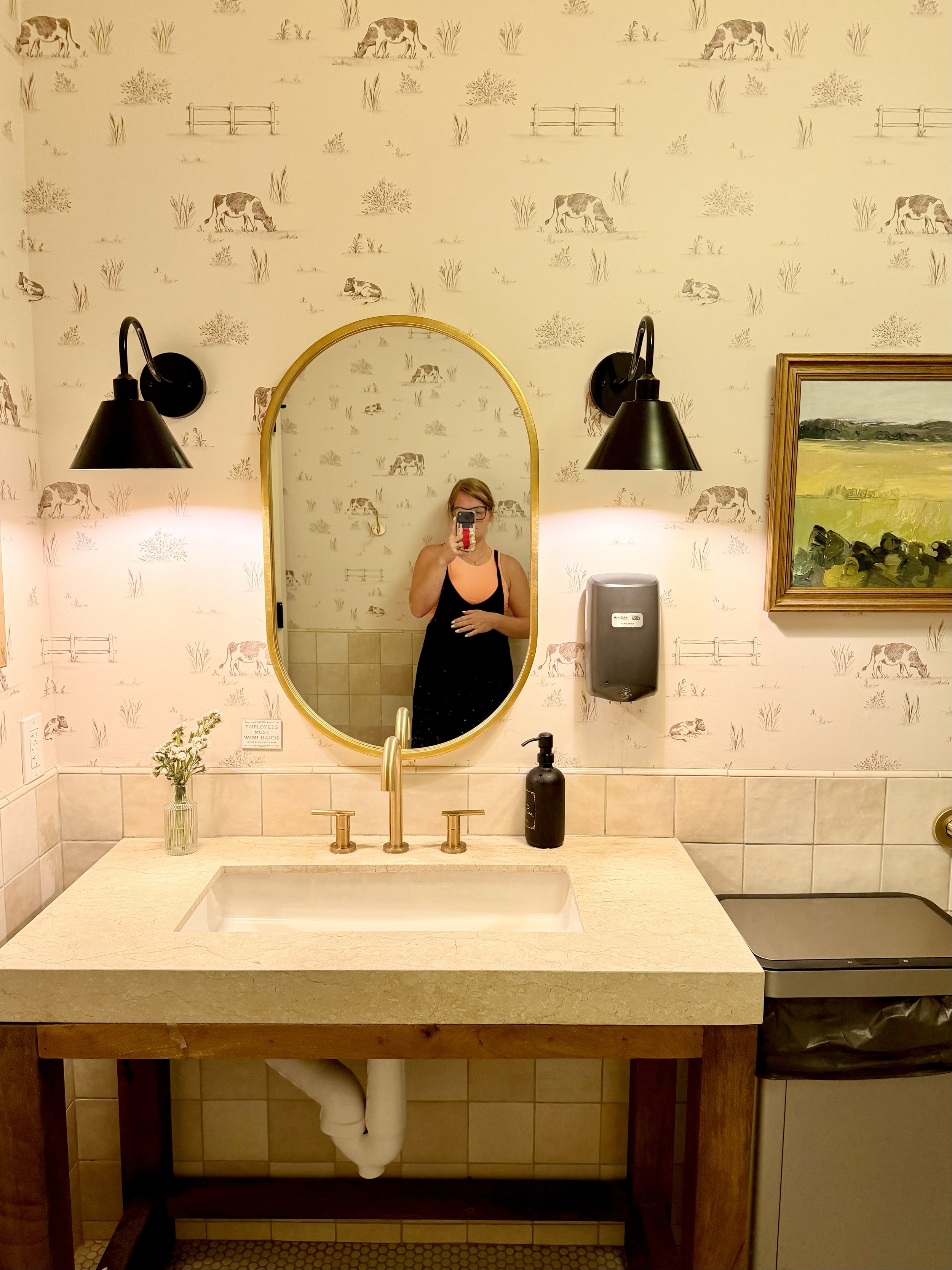
9. Don't Forget About Smell
We probably don't need to explain why this one matters.
But there's a difference between a bathroom that simply doesn't smell bad and one that actually smells good.
Proper ventilation should always come first. No amount of air freshener is going to make up for poor airflow or an improperly maintained bathroom.
Once you've addressed that, consider how scent can contribute to the overall guest experience. Scent is closely connected to memory, and something as simple as the hand soap you provide can leave a lasting impression.
Think about the hotels or restaurants you've visited that have really beautiful hand soaps. It's such a small luxury, but it can make the experience feel more thoughtful and elevated.
We're not saying every bathroom needs expensive designer soap. But choosing a soap with a pleasant scent and nice presentation is a relatively inexpensive way to add another layer to your guest experience.
And remember, subtle is key. You want a pleasant fragrance, not something overpowering.
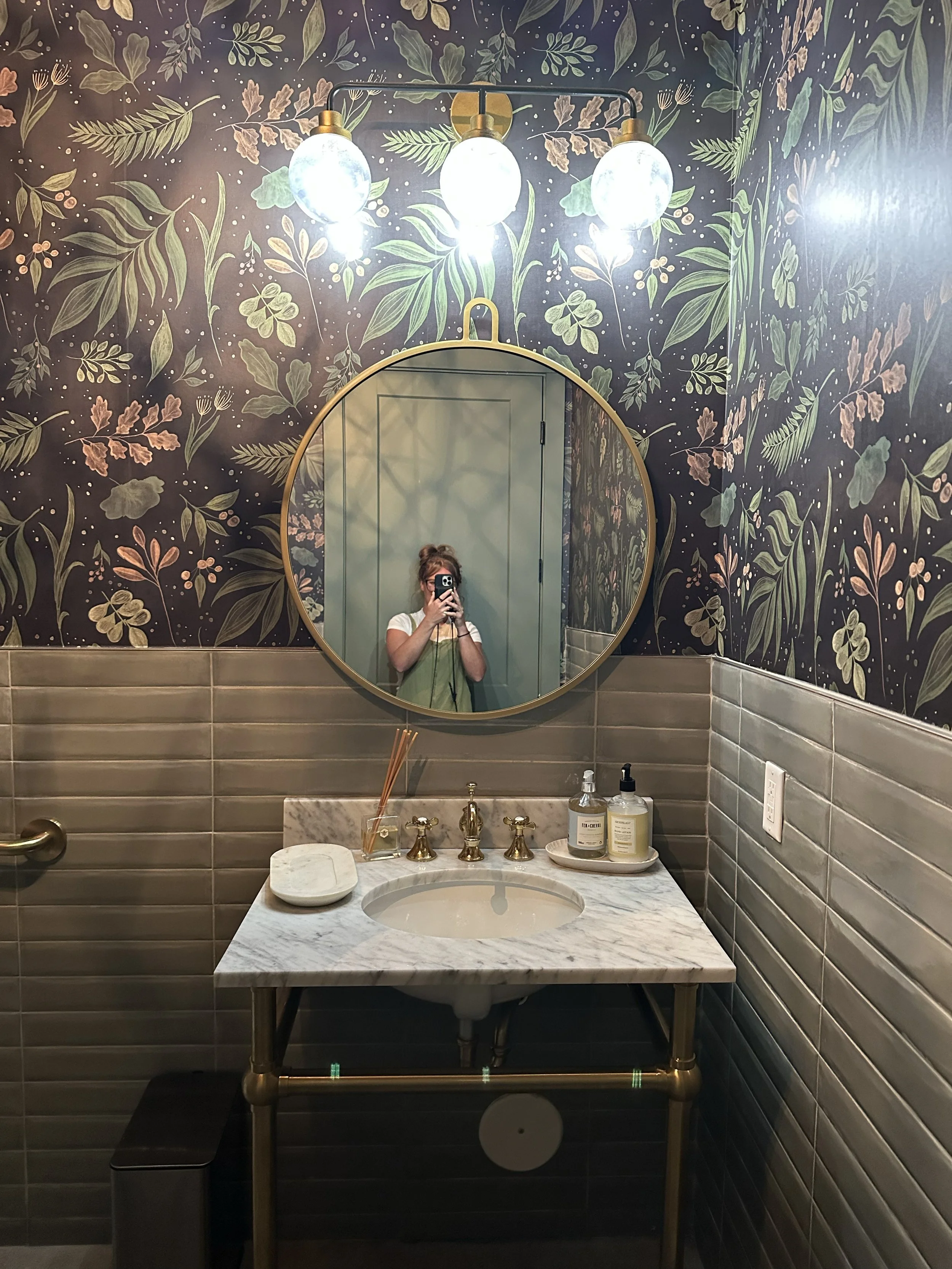
10. Give Your Guests Some Counter Space
We love a beautiful historic pedestal sink as much as anyone, but let's be honest. They're not always the most practical choice, especially in a hotel bathroom.
If you've ever tried to get ready in a hotel bathroom with absolutely no counter space, you know exactly what we're talking about.
Between skincare, makeup, hair tools, and toiletries, getting ready in the morning can require a surprising amount of space. And there's nothing more frustrating than having to balance everything on the edge of a tiny sink or move half your products to the toilet tank just to have somewhere to put them.
While we love incorporating beautiful, historic details into our designs, we also believe that functionality should be just as important as aesthetics.
If you're designing a hotel bathroom, think about how your guests will actually use the space. Is there enough room for someone to spread out their toiletries? Is there a convenient place to set down a makeup bag or curling iron? What if two people are trying to get ready at the same time?
Even if you're working with a small bathroom, adding a shelf, a vanity with some counter space, or another thoughtfully placed surface can make a huge difference.
Because as much as we love a gorgeous pedestal sink, we love having somewhere to put our makeup bag even more.
The Best Bathrooms Are Designed Around the Guest Experience
If there's one thing we want you to take away from this list, it's that every detail matters when you're designing a space for guests.
One of the most helpful things you can do when planning a bathroom is to mentally walk through the entire experience, from the moment someone opens the door to the moment they leave.
Where do they go first? Is it easy to navigate? Can they comfortably use the stall? Is everything they need within reach? Are there any awkward moments or unnecessary steps?
Sometimes the smallest design decisions have the biggest impact on how someone experiences a space.
And while a guest might not consciously notice that the soap dispenser is perfectly positioned or that there's just enough room to comfortably close the stall door, they'll notice when those things aren't right.
At Darlington Design Co., we believe thoughtful design goes beyond creating beautiful spaces. It's about considering how people actually use them and making every part of their experience feel intentional.
Even the bathrooms.